November 24, 2026
Ordering the right topsoil is one of the smartest steps you can take before starting a new lawn, flower bed, or vegetable garden. While all dark earth might look the same at first glance, the quality of the ground beneath your plants decides how well roots grow, drain, and absorb essential nutrients. Picking the wrong mix can leave you dealing with soggy puddles, stubborn weeds, poor drainage, or struggling grass all summer long.
Taking a few minutes to learn what makes garden soil healthy will save you money, heavy lifting, and frustration later on. When you know how to compare different soil blends, measure your yard accurately, plan your budget, and prepare for a dump truck delivery, your outdoor project runs much smoother from day one. Below are six practical things every homeowner should know before placing a bulk delivery order.
1. Understanding What Healthy Soil Is
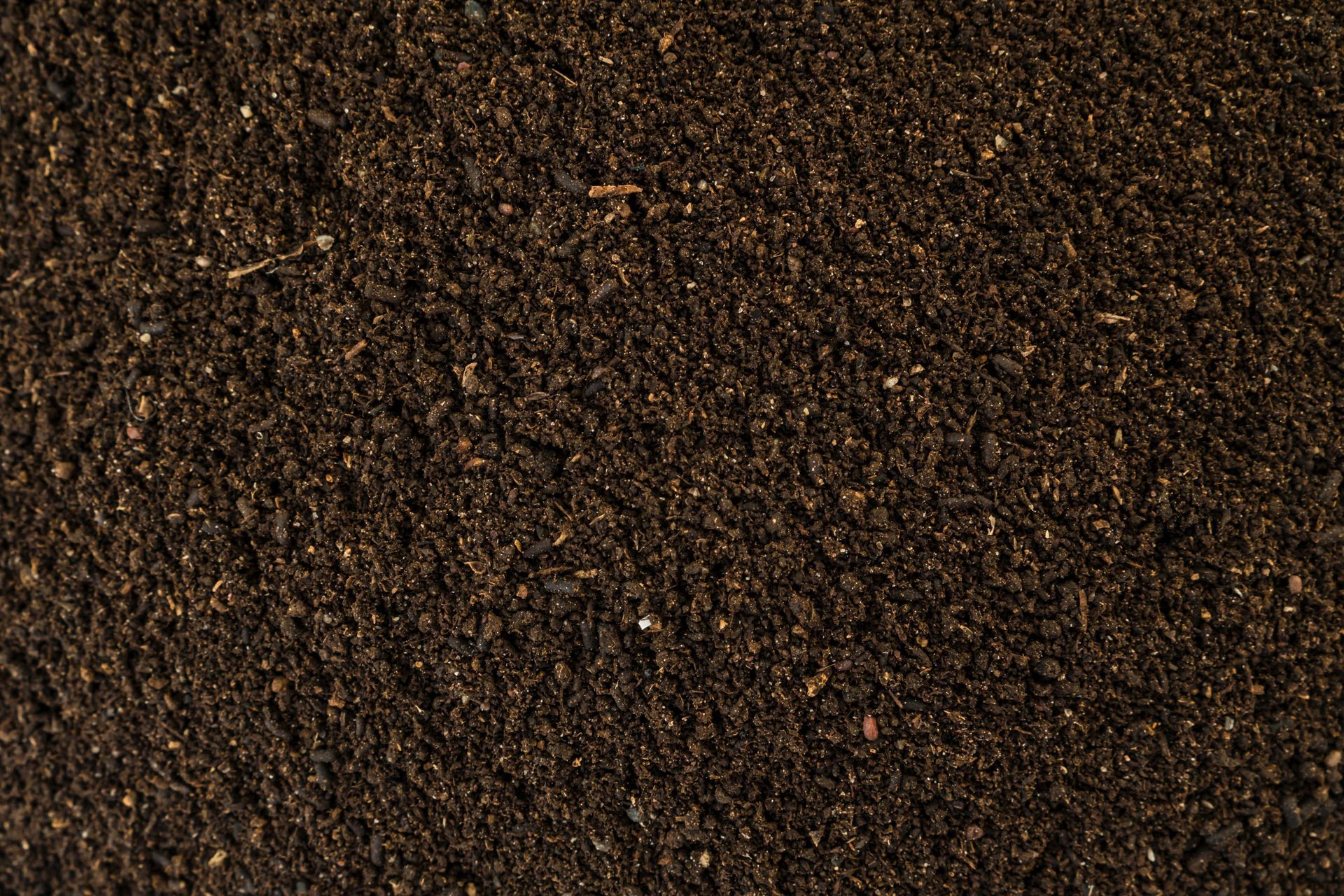
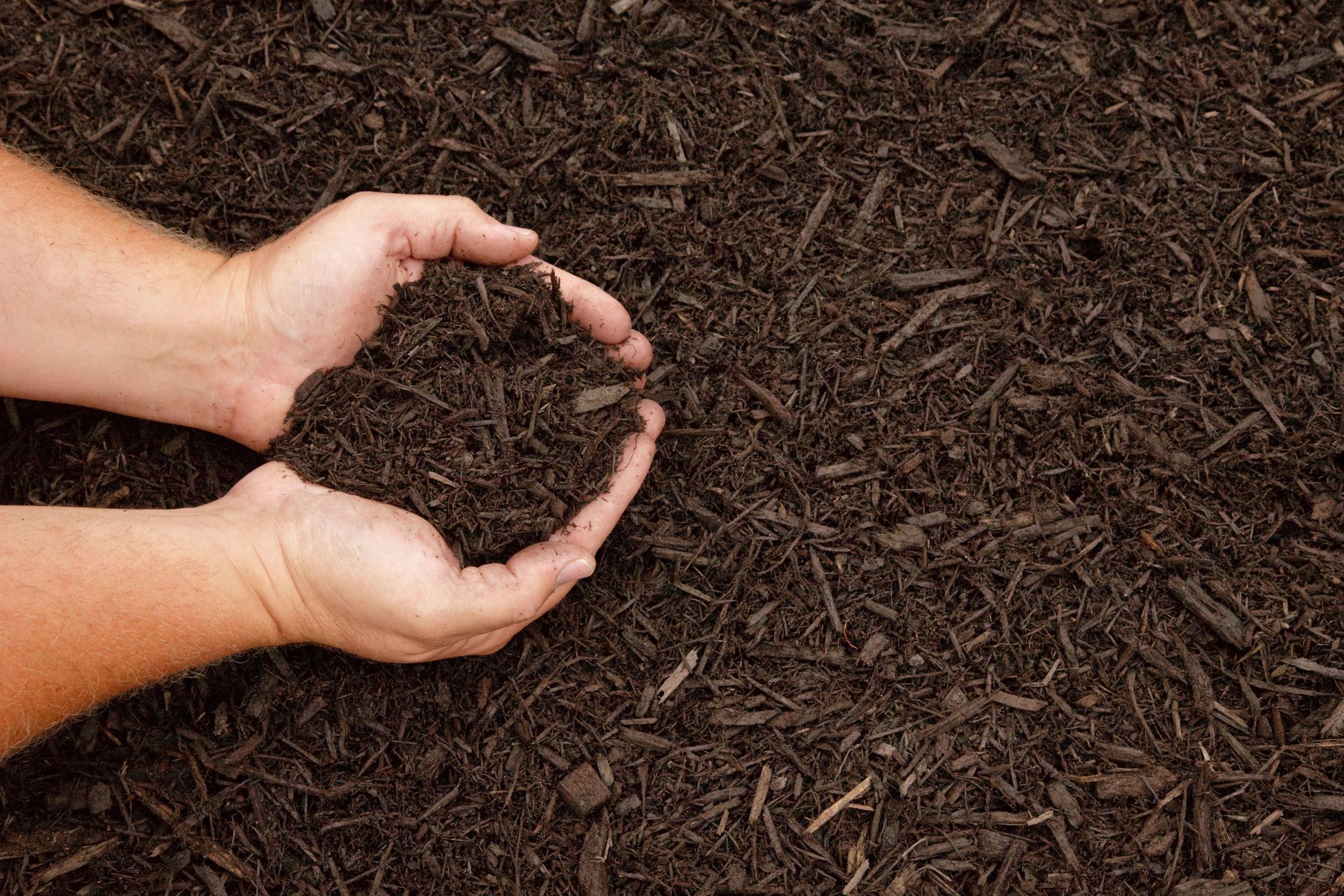
Healthy topsoil makes up the uppermost five to ten inches of the earth, where plant roots find the nutrients, air, and water they need to thrive. An ideal batch contains roughly forty percent mineral particles, five percent rich organic matter like aged compost, twenty-five percent air space, and twenty-five percent water. It should feel dark, crumbly, and easy to break apart in your hand rather than hard, rocky, clumpy, or packed tight like dry concrete.
Buyers can choose between natural soil harvested from fields and manufactured blends mixed at local supply yards. Natural earth offers rich biological life, while manufactured mixes are carefully screened and blended with compost to give new lawns or raised beds a clean, consistent boost. Either way, good garden soil sits right above the denser subsoil and bedrock layers and should always be free of trash, harsh chemicals, heavy metals, and invasive weed seeds.
2. Comparing Different Soil Types
Loamy topsoil is the favorite choice for most home yards because it balances sand, silt, and clay in just the right amounts. This well-rounded texture holds onto essential moisture and plant food while still letting extra rainwater drain away easily without ever suffocating roots. Whether you are seeding fresh grass, planting colorful perennials, or starting backyard vegetables, a rich loam blend gives almost every plant a strong, steady start.
Other soil types serve specific yard needs when used in the right spots. Sandy mixes feel gritty, warm up fast in early spring, and work well for succulents or grasses that hate wet roots, though they need more frequent watering and fertilizing. Heavy clay holds water tightly and packs down easily under foot traffic, while spongy peat mixes hold lots of moisture for acid-loving shrubs and flowers. Many suppliers also sell specialty blends tailored specifically for lush turf grass, drought-tolerant native plants, or raised garden beds.
3. Measuring Your Project Needs
Figuring out how much soil to order starts with measuring the length and width of your project area and deciding how deep you want the new layer. According to Lawn Love, a standard 1,000 square foot lawn requires about 13 cubic yards, or 18 tons, of topsoil to achieve a depth of four inches. Using a simple online volume calculator or asking your supplier to double-check your measurements prevents running short halfway through a busy weekend job.
Different outdoor projects call for different soil depths and drainage setups. A brand-new lawn usually needs four to six inches of fresh soil so young grass roots can anchor deeply, while raised vegetable beds perform best with eight to twelve inches. Before spreading anything, check how rainwater moves across your yard on rainy days so you do not accidentally trap standing puddles against your house foundation or drown delicate roots.
4. Planning Your Project Budget
The price of bulk topsoil depends on its quality, organic content, and how far the delivery truck has to travel to reach your home. Screened, nutrient-rich blends mixed with aged compost usually cost a little more than basic fill dirt, yet they pay off through healthier plants and fewer fertilizer bills later. Prices can also climb during busy spring and early summer planting months, so shopping early often helps you lock in better rates and faster scheduling.
Ordering in bulk by the cubic yard is far cheaper than buying dozens of small plastic bags from a local hardware store, and many yards offer bulk discounts on larger loads. Before finalizing your order, ask the supplier about delivery fees, minimum order rules, tailgate spreading options, and whether the driver can drop the load in more than one spot. Setting aside a small financial cushion in your budget for extra compost or unexpected yard leveling keeps your project stress-free from start to finish.
5. Preparing for Smooth Delivery
Scheduling your delivery a week or two ahead ensures your soil arrives right when your family or landscaping crew is ready to spread it. Before the truck pulls up, clear low tree branches, parked cars, and lawn toys away from your driveway or drop zone so the driver has safe access. Laying down a heavy-duty plastic tarp on concrete or asphalt makes final cleanup much easier and keeps stray dirt from staining your driveway.
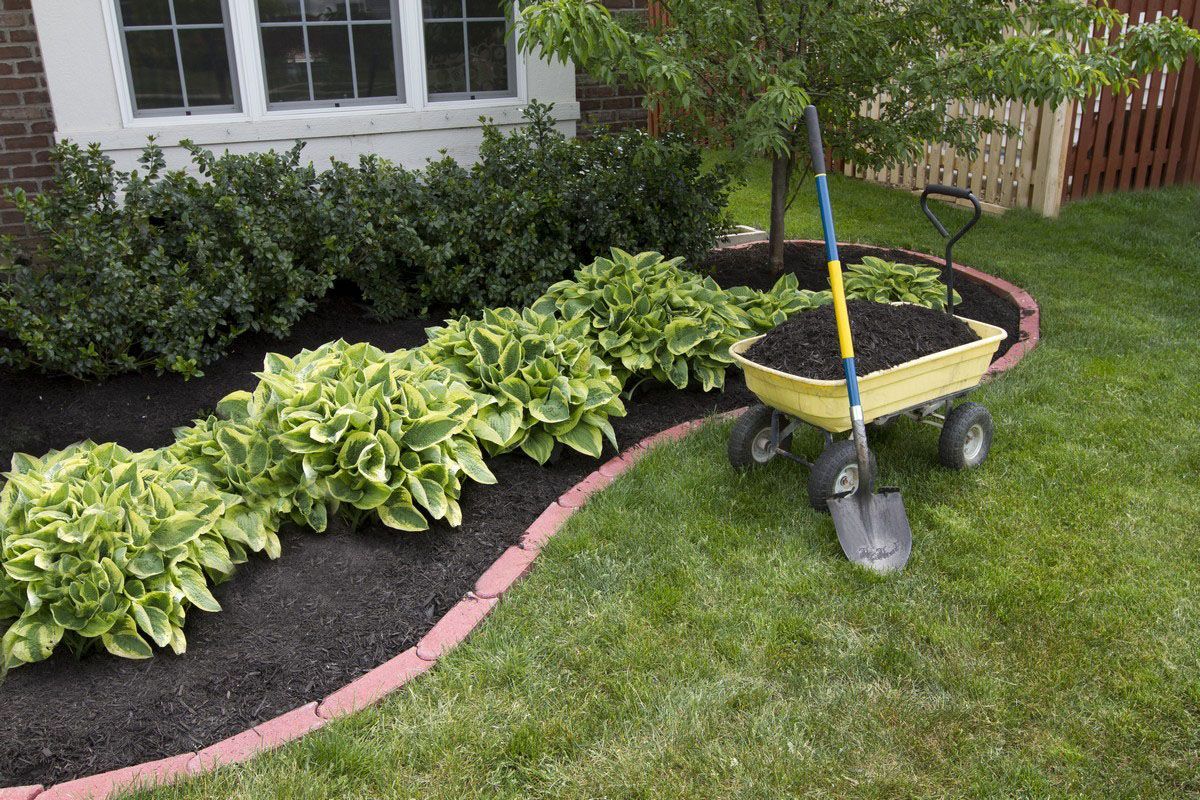
Moving several tons of earth takes time and energy, so plan how you will transport and store it once it arrives. Sturdy wheelbarrows work fine for small flower beds, while renting a compact skid loader saves hours of backbreaking work on larger lawns. Check the local weather forecast before delivery day, too, because heavy rain turns fresh piles into heavy mud, and covering unused dirt with a waterproof tarp keeps rain from washing away valuable nutrients.
6. Choosing a Reliable Supplier
Buying from a dependable supplier ensures you receive clean, weed-free topsoil that actually matches what you paid for. Take a few minutes to read recent customer reviews online to see if local homeowners praise the company for punctual deliveries, fair pricing, helpful drivers, and consistent soil quality. A reputable supply yard will happily answer questions about where their dirt comes from, how finely it is screened, and what organic materials are blended inside.
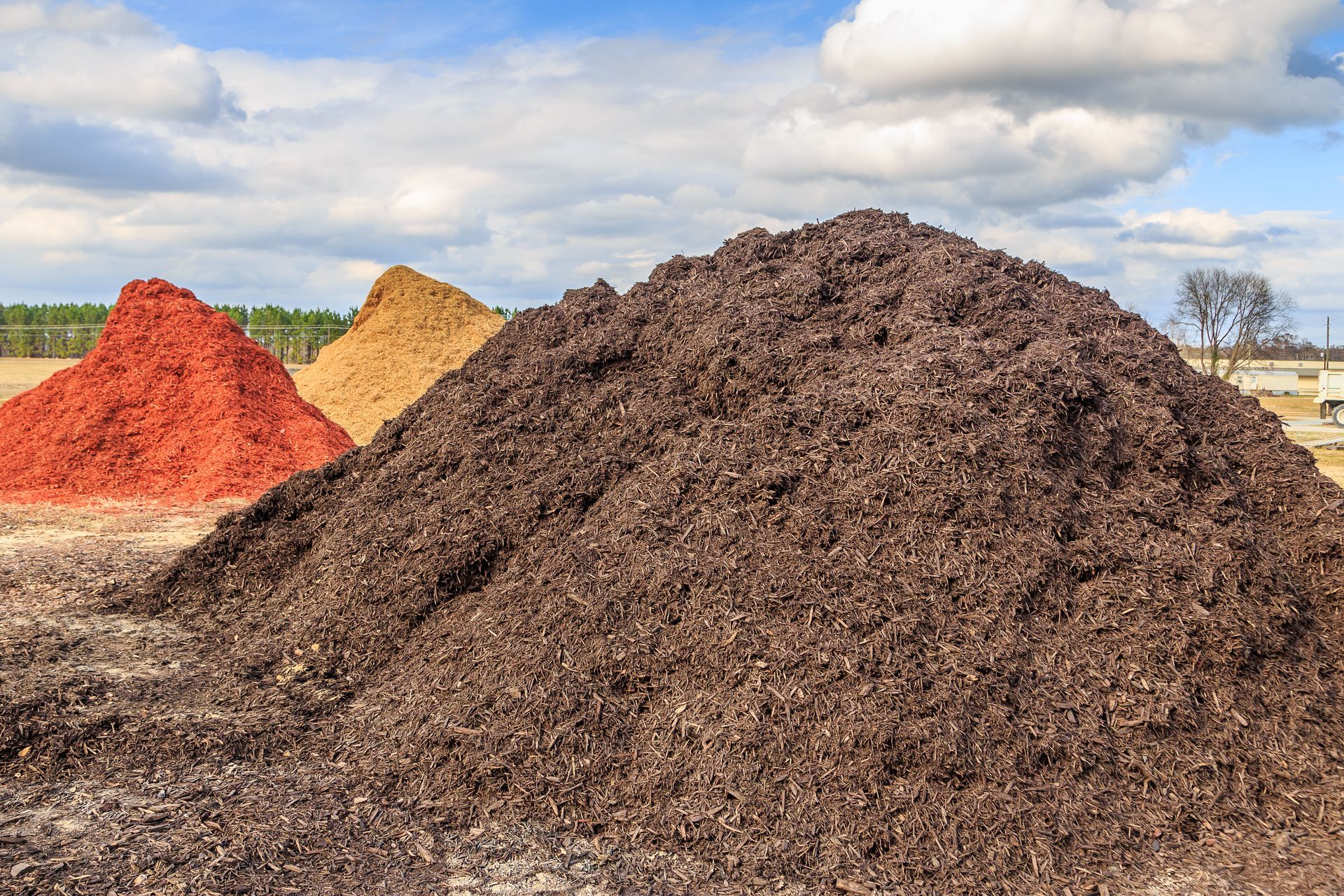
If possible, visit the supply yard in person before placing a large order so you can see and feel the soil yourself. Grab a handful to check that it smells fresh and earthy rather than sour, feels lightly moist without being soggy or muddy, and contains no sticks, rocks, or plastic scraps. Inspecting the outdoor storage piles firsthand and talking with knowledgeable local staff gives you complete confidence before the dump truck heads to your house.
Taking time to plan ahead makes ordering soil for your yard simple, affordable, and rewarding. By understanding what healthy soil looks like, picking the right blend for your plants, measuring your yard carefully, and preparing your driveway for delivery, you set your entire landscape up for lasting success. A little preparation today leads to greener grass, brighter flower blooms, stronger roots, and healthier garden harvests all season long.
If you are ready to start your next outdoor project and want clean, screened
topsoil delivered right to your property, reach out to Lake Stone & Mulch today. Their friendly, knowledgeable team will help you calculate the exact amount you need, recommend the best organic blend for your yard, and schedule a fast, convenient delivery. Give them a call or stop by their supply yard to get your lawn or garden off to a great start.