September 23, 2026
This article provides an in-depth exploration of how bulk delivery can streamline your gardening projects and rejuvenate your garden with ease. From soil to stones, find out everything you need to know about ordering and managing bulk garden materials efficiently.
Understanding Bulk Delivery
What is Bulk Delivery?
Bulk delivery refers to the process of transporting large quantities of garden materials like soil, mulch, and stone directly to your location. This service is particularly useful for large gardening projects where purchasing in bulk offers both time and cost efficiencies. The logistics of bulk delivery typically involve a coordinated effort between the supplier, delivery service, and the homeowner to ensure timely and proper unloading. Understanding the nuances of bulk delivery can help homeowners better plan their gardening projects. By eliminating multiple trips to the store, bulk delivery saves gardeners from the hassle of transporting heavy materials themselves.
Bulk delivery is not only convenient but also allows gardeners to accurately plan their projects according to specific needs. For example, you can calculate the precise amount of soil or mulch required for your garden beds and order accordingly. This tailored approach minimizes waste and ensures you have the resources you need without excessive leftovers. Furthermore, using bulk delivery services enables you to choose from a wider variety of materials. Because suppliers often stock large quantities, you might have access to options unavailable in smaller retail packages.
One emerging trend among gardeners is the preference for eco-friendly and sustainable materials, a demand that bulk delivery services are increasingly catering to. As people become more conscious of the ecological impact of their gardening choices, bulk delivery offers a means to select non-toxic materials compatible with pet-friendly landscapes. According to the Garden Media Group, 87% of gardeners are now designing their landscapes and mulch choices specifically to be pet-inclusive and non-toxic. This trend illustrates the growing importance of thoughtful material selection and planning within the gardening community.
Pros and Cons of Bulk Delivery
The advantages of bulk delivery extend beyond just convenience and efficiency. One significant benefit is cost savings; buying in bulk often means lower prices per unit compared to purchasing smaller quantities. This is especially beneficial for extensive projects that would otherwise require repeated purchases. Moreover, bulk delivery reduces the physical strain on the gardener, as heavy materials are delivered and often dropped exactly where needed. This minimizes the need for manual transportation of heavy loads within garden spaces.
However, bulk delivery is not without its challenges. For starters, it requires more upfront planning and commitment compared to ad-hoc visits to the garden center. You must have a clear idea of the types and volumes of materials required for your project and coordinate delivery logistics. Additionally, not all gardens can accommodate large quantities of materials at once, necessitating a thorough assessment of the available space. Ensuring proper storage until the materials are used is also crucial to prevent quality degradation or environmental impact.
Finally, it's important to recognize the environmental concerns associated with bulk delivery. While it offers eco-friendly options through sustainable material choices, the transportation itself can have a carbon footprint depending on distance traveled and type of delivery vehicle used. It's always a good idea to inquire about the environmental policies of the delivery service provider. This way, gardeners can make an informed decision that aligns with their values regarding sustainability and ecological responsibility. The confluence of benefits and potential drawbacks highlights the need for careful planning and professional advice when opting for bulk delivery.
Types of Materials Delivered in Bulk
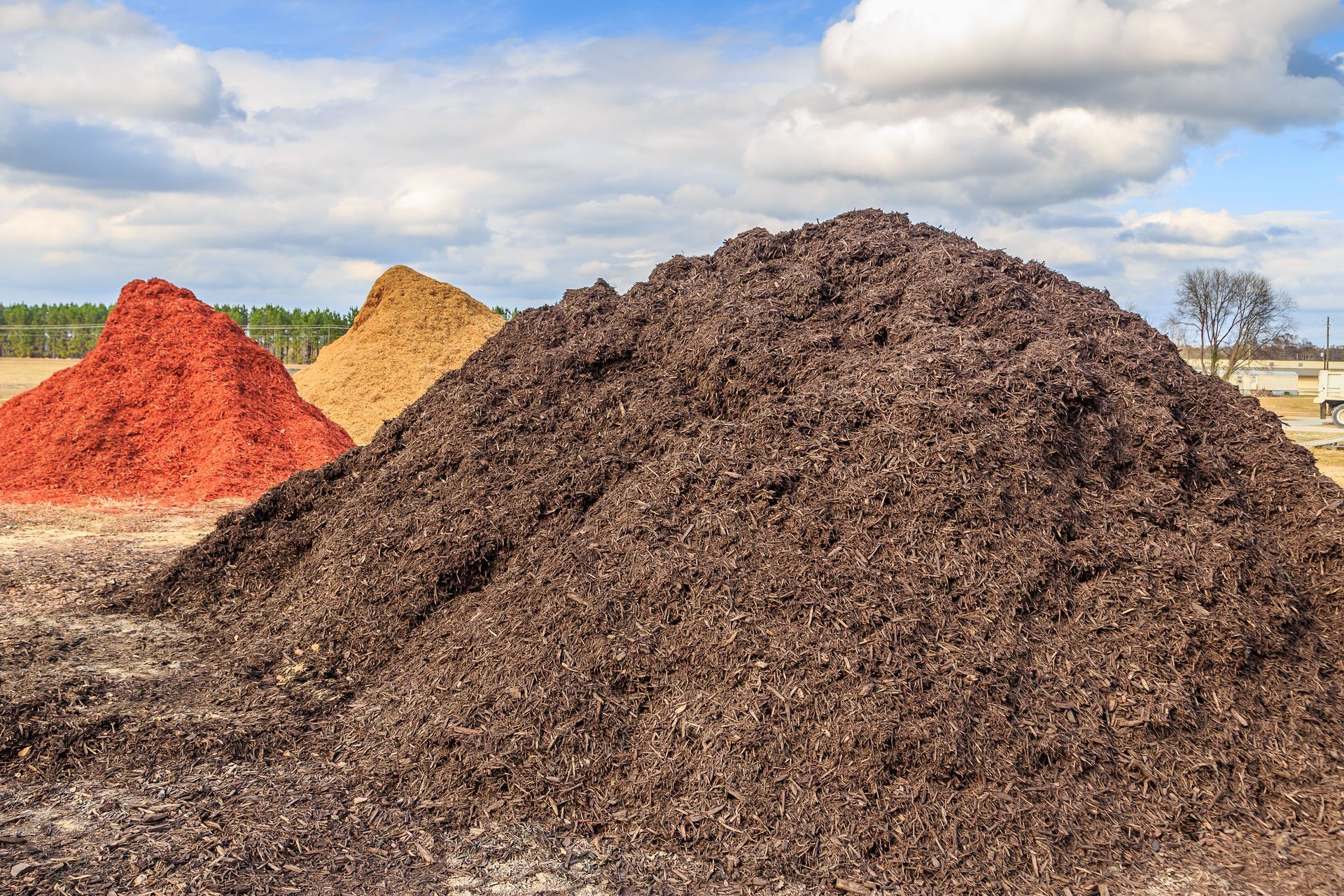
Various materials can be delivered in bulk, each serving a distinct purpose in gardening and landscaping projects. Soil is undoubtedly one of the most common materials, with options ranging from enriched garden soil to topsoil specifically tailored to plant needs. Each type provides different nutrients and drainage properties, critical for successful plant growth. Mulch is another popular material, valued for its ability to regulate soil temperature, retain moisture, and suppress weeds. Available in diverse forms like bark, wood chips, or even recycled rubber, mulch delivery options vary widely in color and texture, offering flexibility in garden aesthetics.
Stone and gravel are also frequently delivered in bulk, playing an essential role in both functional and decorative aspects of garden design. For instance, gravel can be used to create pathways, patios, or as a drainage solution, whereas decorative stones can enhance borders or create focal points. These hardscaping materials offer longevity and low maintenance, making them an attractive choice for sustainable garden planning. Additionally, purchasing such heavy materials in bulk significantly reduces the manual effort involved in transporting them from store to site.
Compost and fertilizers are other materials often delivered in bulk. They provide essential nutrients to promote healthy plant growth and improve soil structure. Using bulk delivery to obtain these materials allows gardeners to introduce supplements slowly or according to a gardening schedule. Furthermore, choosing the right type and amount of compost can align with the trend of pet-inclusive gardening, where non-toxic fertilizers are selected to ensure a safe environment for all living beings in the garden. Bulk delivery offers more choices, allowing for a tailored approach to achieving an outstanding garden.
Preparing Your Garden for Bulk Delivery
The Space
Efficiently planning your garden space to accommodate bulk delivery sets the stage for a smooth and effective gardening project. Begin by assessing the layout and specific areas where the materials will be used, ensuring the space can accommodate the volume of materials ordered. If applicable, sketch a map or diagram highlighting drop-off points and distribution areas, taking into account accessibility and garden topology. Being organized upfront streamlines subsequent stages of the project, minimizing disruptions and wasted efforts.
Factors such as the garden's topography, slope, and drainage patterns are crucial considerations when planning for bulk delivery. These elements not only impact where materials should be dropped off but also influence how they will be layered, especially concerning soil and mulch delivery. Equally significant is the impact of sun and shade, which may dictate the placement of mulch or other materials to protect certain plant species. By understanding and working with these natural variables, you can optimize material use to bolster plant growth and landscape health.
Finally, open communication with the delivery service provider is fundamental for executing your plan. Discuss access constraints like narrow gates, overhead wires, or other obstructions that could impede vehicle movement. Providing specific instructions or logistical details helps ensure that materials are placed correctly and safely upon arrival. Considering these aspects in your preparation ensures that bulk delivery goes smoothly, resulting in efficiently optimized gardening processes catered to your unique space.
How to Clear the Area
Preparing the designated area to efficiently receive bulk materials involves organizing and clean-up efforts ahead of delivery. Start by removing any debris, tools, or garden items from the drop-off zone to create a clear pathway for materials to be unloaded smoothly. This also ensures the area is tidy for efficient dispersion, supporting a neat and organized application process later on. A thorough clearing ensures no existing plants or structures are inadvertently damaged during the delivery process.
To maximize the effectiveness of bulk materials, conduct a pre-application cleaning of the garden bed or surface area where materials will be applied. This may entail weeding, soil loosening, and edging to promote primary contact between introduced materials and existing soil. These steps not only prepare the ground for new materials but can help mitigate issues like compaction, ensuring better incorporation once spread. By methodically preparing the receiving area, the delivered materials can be efficiently utilized, boosting garden productivity and aesthetic appeal.
Finally, identifying and addressing potential safety concerns is paramount. Ensure the area is level and sturdy enough to handle the weight of the incoming materials without causing structural instability. By checking for underground utility lines or irrigation systems beforehand, gardeners can avert accidental damage during the unloading process. Cautionary measures safeguard both the garden's infrastructure and those handling the delivery. Attending to these details assures a seamlessly coordinated delivery, setting the stage for a well-executed garden enhancement project.
For over 30 years, Lake Stone & Mulch has proudly served the community as a locally owned supplier dedicated to delivering the highest level of quality, accuracy, and customer care. If you're looking for a reliable source of
mulch delivery, reach out to us today!