May 19, 2026
Modern mulch has revolutionized gardening by significantly reducing the amount of water needed to maintain a vibrant landscape. This practice is more than just a decorative covering for your garden; it is a dynamic tool in water conservation and soil enhancement. By understanding the principles behind moisture retention and proper application, homeowners can enhance their landscapes while actively participating in environmental conservation. When seeking high-quality materials, many residents turn to local mulch companies to find the perfect organic or inorganic solutions for their specific climate. Let's take a closer look at how these materials contribute to sustainable gardening and long-term environmental health.
The Science of Moisture Retention
Evaporation and transpiration are natural processes that contribute to significant water loss in gardens. Evaporation involves the conversion of liquid from the soil into vapor, while transpiration occurs when plants release moisture through their leaves. Together, these processes can lead to depleted soil, especially in dry climates. Mulch plays a crucial role in minimizing these losses by providing a protective layer that reduces direct exposure to the sun and wind. By slowing down the rate of evaporation and decreasing the need for plants to transpire excessively, this protective barrier helps conserve water effectively. This is why many people look for mulch companies that offer thick, high-quality wood chips or bark to create a more resilient garden bed.
Regulating Temperature for Root Health
Mulch serves as an insulating barrier, maintaining moderate soil temperatures regardless of external weather conditions. This moderating effect prevents extreme swings in temperature, which can cause water to evaporate more quickly. In hot weather, a layer of mulch keeps the soil significantly cooler, thereby reducing the need for frequent irrigation. Meanwhile, during colder periods, it minimizes the risk of frost damage by keeping the soil warmer. Consistent temperatures foster healthier plant roots, leading to more efficient water usage and retention. Local mulch companies often recommend specific depths to ensure this insulation is effective throughout the changing seasons.
Impact on Local Water Cycles
Through its retention capabilities, mulch influences the overall water cycle dynamics within a garden. It captures and holds rainfall, decreasing runoff and preventing topsoil erosion. This retention allows water to infiltrate the soil more effectively, reaching plant roots where it is needed most. Furthermore, by reducing the rate of evaporation, more of the available water is utilized by plants rather than being lost to the atmosphere. These changes contribute to a more balanced micro-ecosystem, promoting plant growth and superior water efficiency. When residents hire mulch companies to deliver bulk materials, they are making a long-term investment in the hydration and stability of their land.
Sustainability and Environmental Conservation
Mulch offers significant benefits for the planet by repurposing materials that might otherwise go to waste. According to Hello Gravel, a single mile of mulch-stabilized surface can divert over 2,000 recycled tires and 50 tons of wood waste from landfills. This highlight underscores the dual benefits of using these materials for both hydration and environmental sustainability. By opting for products derived from recycled or organic sources, gardeners ensure that their landscapes remain vibrant with minimal water usage. Reputable mulch companies prioritize these sustainable sourcing methods to help customers lower their environmental footprint while maintaining beautiful properties.
Organic Versus Inorganic Materials
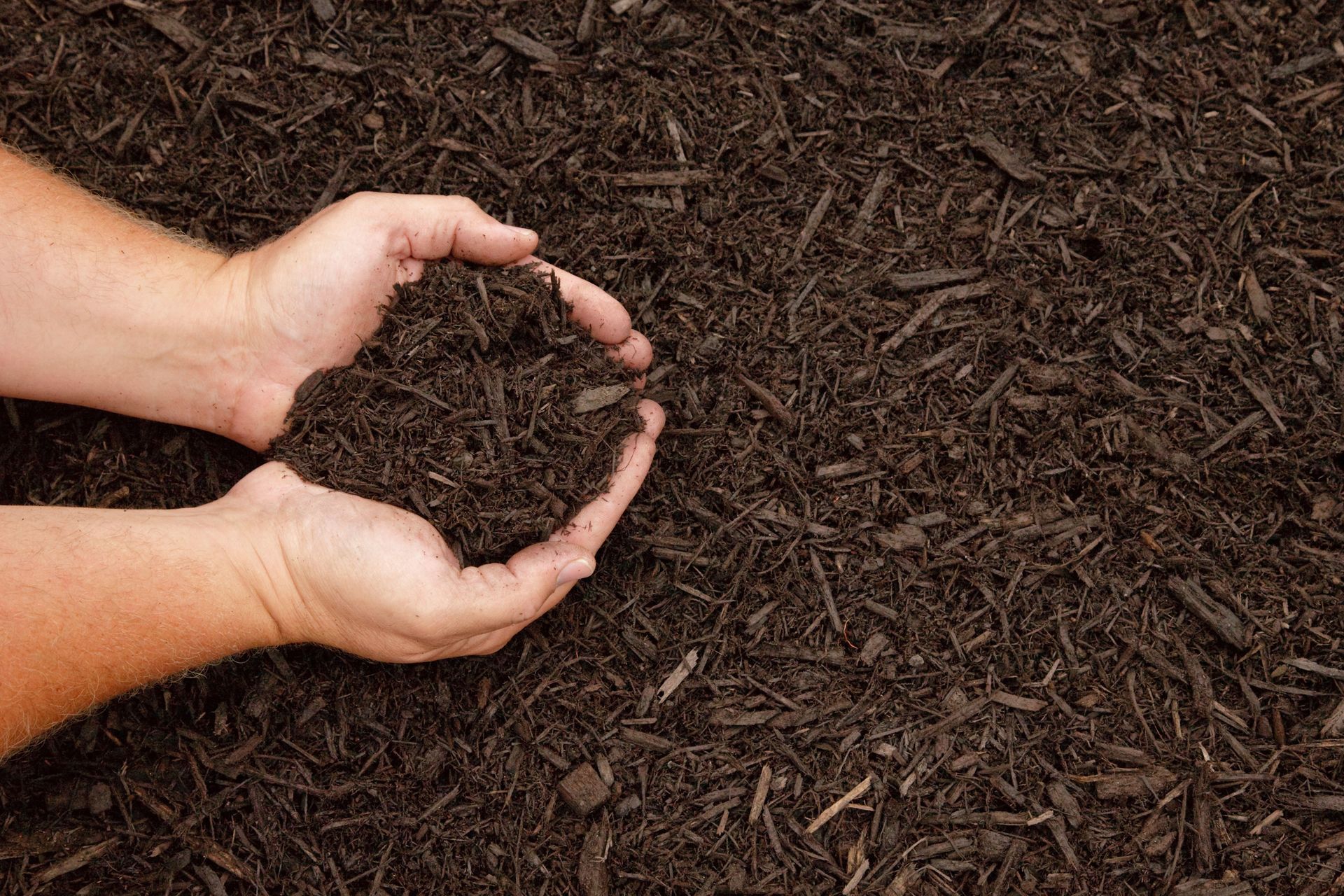
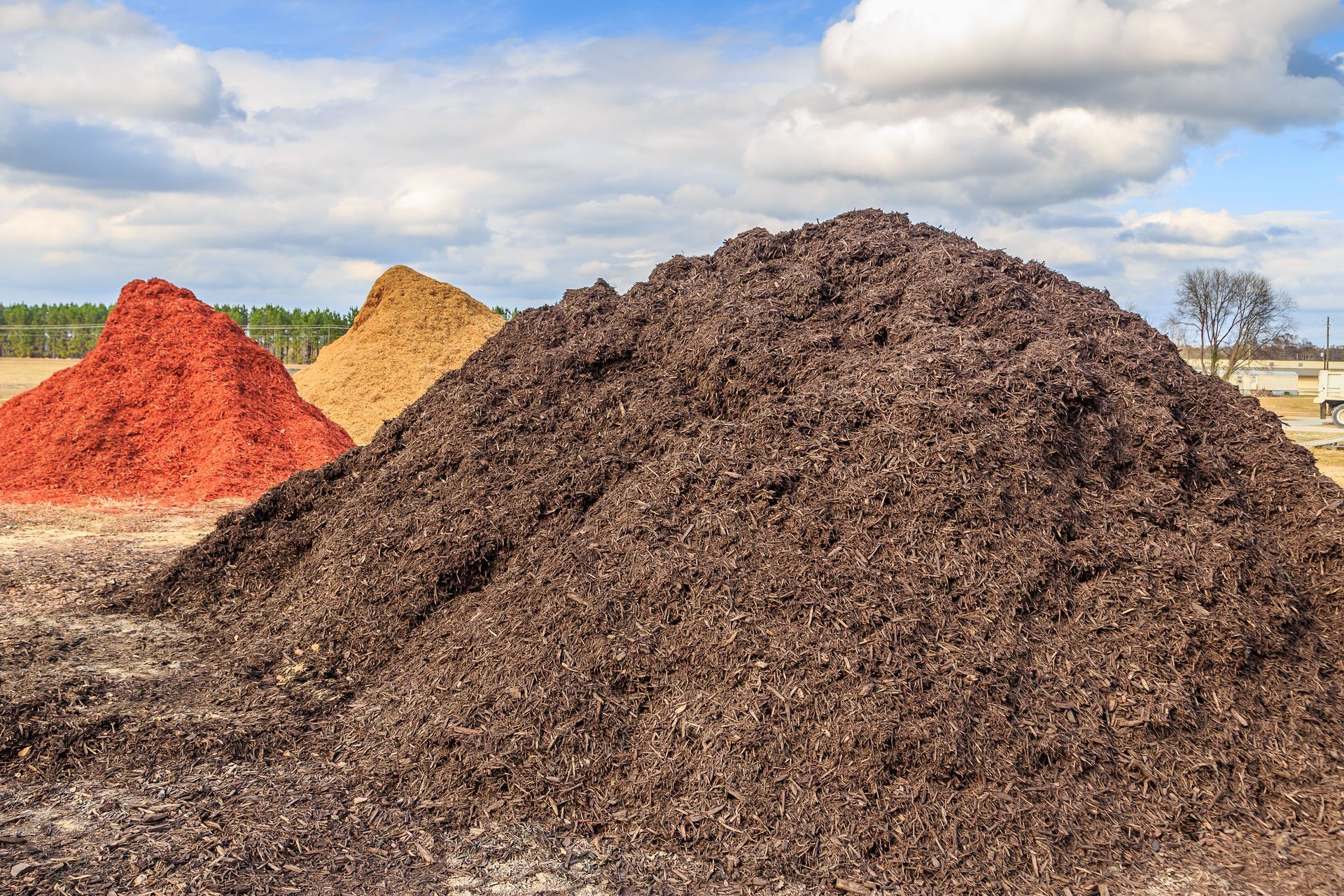
Organic materials such as wood chips, straw, and shredded leaves are popular choices for those focused on conservation. These materials decompose over time, enriching the soil with organic matter and improving its structure. The porosity of organic layers allows rainwater to penetrate through to the roots while simultaneously blocking the sun's rays. In contrast, inorganic options like gravel or stones offer durability and longevity. Unlike organic options, these do not decompose, providing a more permanent cover. Both types are effective at preventing the soil from drying out, and professional mulch companies can provide guidance on which material best suits the drainage needs of a specific area.
Determining the Ideal Application Depth
The depth of application is crucial for maximizing water savings. While a thin layer may not provide adequate protection, an excessively thick layer can impede water penetration and suffocate plant roots. Generally, a depth of two to four inches is recommended for most organic materials, while inorganic choices like gravel may require a thinner application. It is important to consider plant type and growth habits, adjusting the depth accordingly to ensure optimal moisture access. Many mulch companies provide calculators to help homeowners determine exactly how much material they need to achieve these ideal results without over-applying.
Seasonal Variations and Maintenance
Application should be adjusted to account for seasonal variations and weather patterns to maximize potential throughout the year. In the spring, a fresh layer can be used to warm the soil and retain moisture from spring rains. During the summer, its cooling properties protect plants from heat stress. Autumn application emphasizes insulation against upcoming frost, while in winter, the layer shields roots from freezing temperatures. Adjusting the thickness per season allows for consistent moisture levels. To maintain these benefits, it is helpful to work with mulch companies that offer seasonal delivery services to replenish decomposing organic layers.
Preparing the Soil for Success
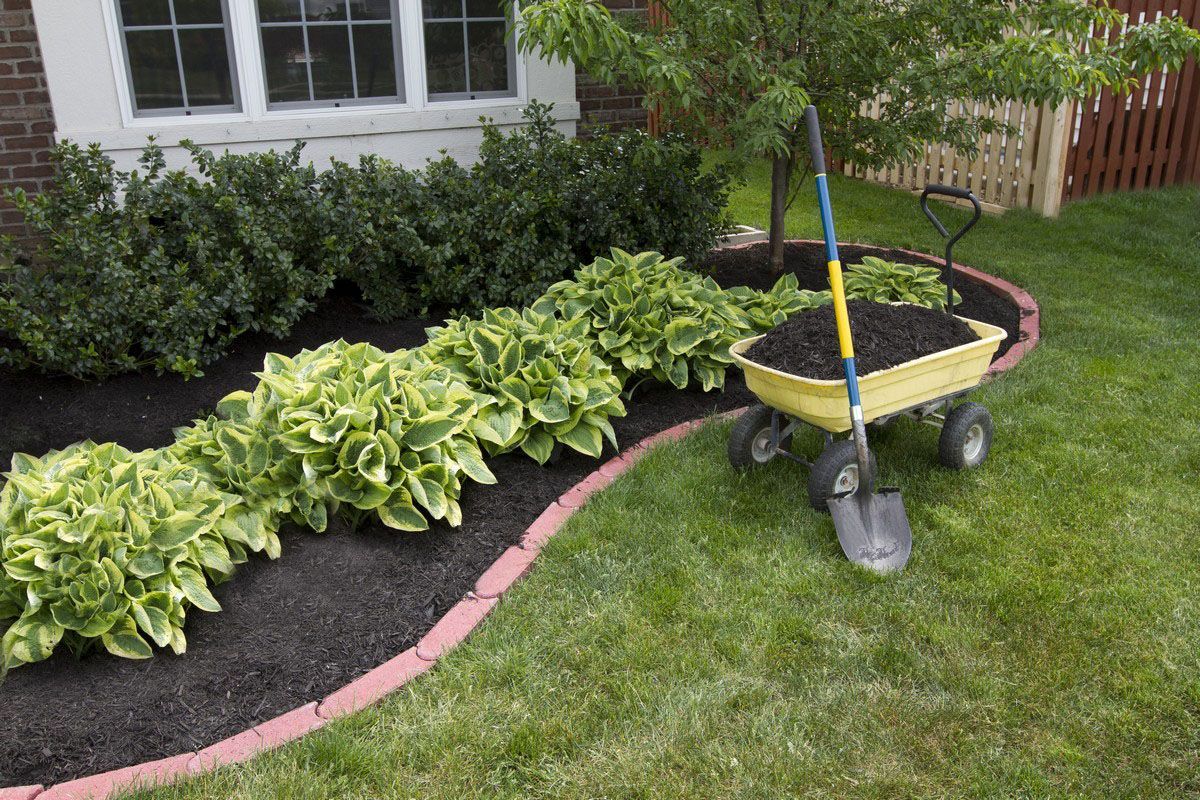
Before applying any material, proper preparation ensures maximum effectiveness. Clearing weeds and unwanted debris provides a clean surface, minimizing competition for moisture. It is also critical to water the soil thoroughly beforehand, creating a moisture reservoir beneath the protective layer. Edging the area with borders, such as stones or logs, helps keep the material within the garden and prevents it from washing away during heavy rain. For the best results, regularly replenishing the surface ensures consistent performance in moisture retention and erosion control. High-quality mulch companies often suggest a thorough weeding and watering session before they arrive to spread the new material.
Economic Benefits of Conservation
Using these materials offers significant financial savings by reducing the volume of water needed for landscaping. By minimizing evaporation and slowing down soil moisture loss, homeowners can see a noticeable reduction in the frequency and volume of irrigation required. This leads to substantial cuts in utility bills over time. Additionally, the ability to enhance soil structure and fertility reduces the need for expensive chemical fertilizers. Investing in bulk delivery from mulch companies represents a cost-effective strategy for those who are budget-minded. The initial cost of the material is quickly offset by the reduction in maintenance and utility expenses.
Enhancing Soil Health and Biodiversity
As organic material decomposes, it supplies nutrients that improve soil structure and encourage beneficial microorganism activity. This leads to healthier plants that are more resistant to drought. A stable soil environment allows diverse plant species to coexist without excessive competition for every drop of water. Additionally, these layers can create micro-habitats for beneficial insects and pollinators, fostering a biodiverse ecosystem. Through these processes, the landscape becomes more ecologically sustainable. By sourcing nutrient-rich products from local mulch companies, gardeners can start this biological process and create a thriving outdoor environment.
Innovations in Modern Landscaping
Recent advancements in technology are transforming traditional approaches to optimize water conservation. Innovations like porous, water-retentive materials made from sustainable sources improve moisture levels while reducing environmental impact. Some new products even include self-decomposing films that break down into nutritive materials, eliminating the need for removal. Furthermore, modern applicators allow for more even and efficient distribution, ensuring consistent coverage. Staying informed about these trends and working with forward-thinking mulch companies can help homeowners achieve superior results. These advancements ensure that gardens remain resilient even as weather patterns become more unpredictable.
The strategic use of high-quality materials is one of the most effective ways to maintain a healthy, water-efficient garden. By reducing evaporation, regulating soil temperature, and improving soil health, these products allow you to maintain a lush landscape with a fraction of the water typically required. Whether you choose organic wood chips or durable inorganic stones, the benefits to your plants and your utility budget are clear. Embracing these sustainable practices not only enhances the beauty of your home but also contributes to the greater good of the community and the environment. For the best results and high-quality materials delivered to your door, consider the services of Lake Stone and Mulch today.